Winter Concrete Care in Michigan: Driveways and Walkways
Prepare concrete for Michigan winter with a care plan covering snow removal, first-winter deicer questions, drainage observations, and sealer records.
By Great Lakes Bay Concrete ·
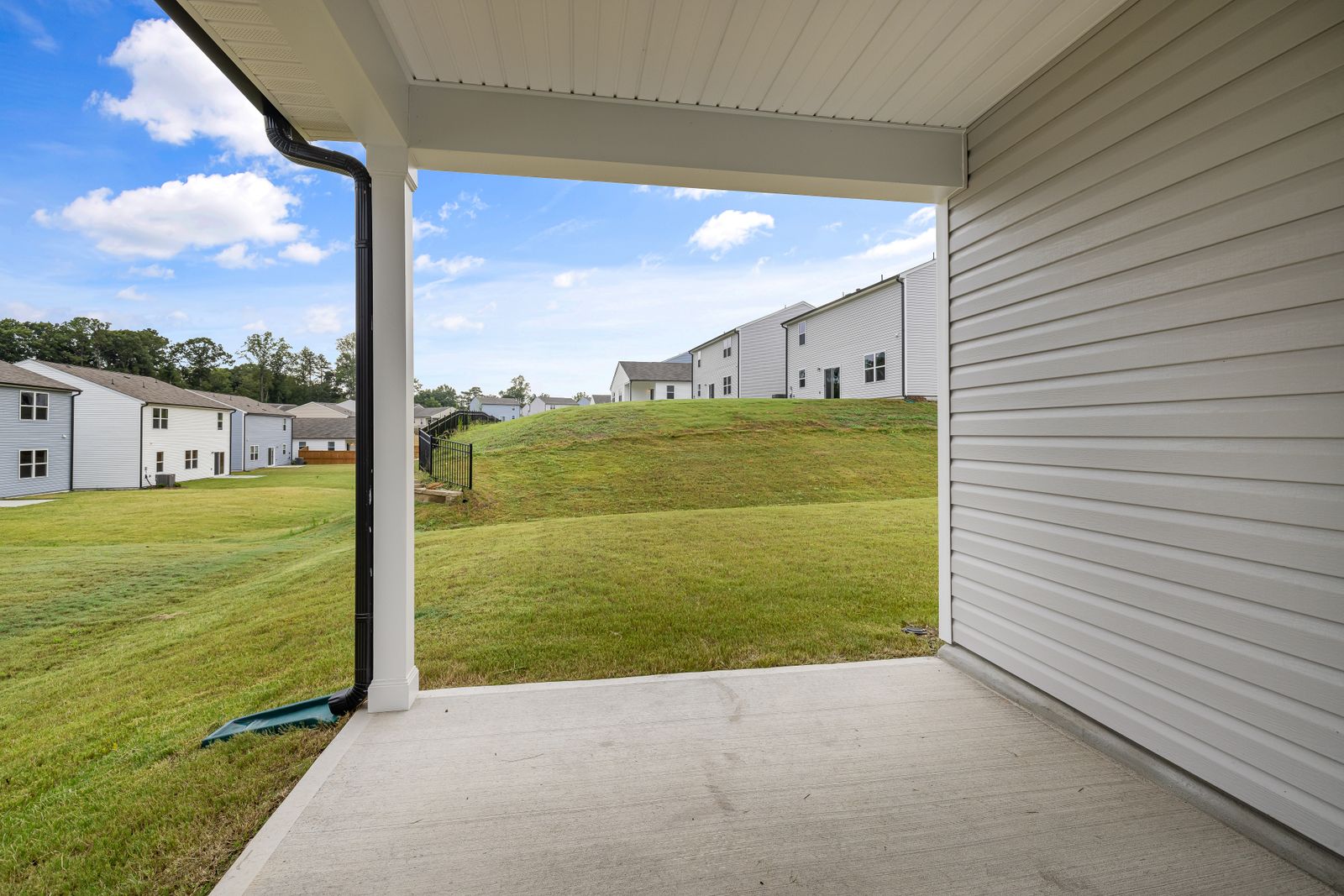
Stock reference photo of a covered concrete patio and green lawn; not company work or a winter maintenance example
Loading article…
Winter concrete care starts with the instructions for your actual surface. Know when the concrete was placed, what finish and products were used, and whom to ask before choosing a deicer or adding a sealer.
For driveways and walkways in Michigan, prepare that information before snow arrives. A short care plan is easier to follow than making product decisions while an entrance is icy.
Find the original care instructions
Gather the placement date, finish description, sealer details if any, and written aftercare guidance. If you inherited the concrete with the property, record what you know and what remains unknown.
Ask the original installer or a qualified provider to review the surface before recommending a treatment. Do not assume it has the same products as an adjoining patio or that an old container in the garage identifies what was applied.
Keep the instructions somewhere everyone responsible for snow removal can access. If a contractor clears the property, discuss the surface and restrictions before the first visit.
Pay particular attention to the first winter
NRMCA recommends avoiding deicing chemicals during the first winter after placement in its guide to scaling concrete surfaces. The guide also explains how freeze-thaw exposure and other factors can contribute to flaking or peeling.
Ask your installer for a first-winter plan that addresses both surface care and safe access. Do not interpret packaging that says a product is suitable for concrete as a substitute for the instructions for newly placed work.
For traction, ask about suitable alternatives and cleanup. Concrete Alberta's deicing guidance recommends traction sand and points out that salt-bearing buildup can also arrive on vehicles. Sand provides traction; it does not melt ice.
Agree on snow removal methods
Discuss the tools and equipment that will be used, especially on decorative surfaces, edges, and transitions. Ask what precautions apply to the actual finish. Identify features that may be hidden by snow so whoever clears the area knows where they are.
Decide where removed snow will be stored and keep necessary access routes in the plan. If snow removal is contracted, share the relevant care instructions and identify who should report damage or changed conditions.
Keep people away from unsafe areas while arranging appropriate help. Surface preservation and winter access should be planned together rather than leaving one of them to an improvised response.
Watch where meltwater collects
Record areas where snowmelt or rain repeatedly gathers, including near steps, garage entrances, and walkway transitions. Photograph the location when safe and note nearby downspouts or snow piles.
These observations can help a contractor evaluate the property. They do not establish a cause on their own. Ask whether drainage, surface condition, or another issue needs assessment before deciding on a repair or replacement project.
If you notice an uneven walking route, document it as a separate concern. The walkway replacement checklist explains how to prepare a useful description.
Review sealing by product and condition
Before applying anything, identify the existing finish and sealer if possible. Ask whether a proposed product is compatible, what preparation is needed, and which weather and surface conditions its instructions require.
Euclid Chemical's concrete sealer troubleshooting bulletin describes problems associated with inappropriate application and product choices. A new coat should follow a surface assessment and the relevant manufacturer's instructions.
Avoid adopting an automatic annual resealing schedule from a general article. Ask for condition-based guidance for the actual product and exposure, and keep a record of any work performed.
Common winter care questions
Is there one ice melt that is safe for every concrete surface?
Use the installer and product instructions for your surface. Concrete age, finish, and existing treatments are reasons to seek a specific recommendation rather than rely on a universal claim.
Does sand remove ice?
No. It is a traction material. Ask how to combine safe access, snow removal, and the surface's care requirements in a practical plan.
Should I seal the concrete immediately before winter?
Ask whether sealing is appropriate and whether the proposed application conditions meet the product instructions. A date on the calendar does not establish readiness.
This article does not establish that Great Lakes Bay Concrete offers snow removal, deicing, sealing, or maintenance services. If the surface needs assessment, the replacement planning page can help organize your observations.